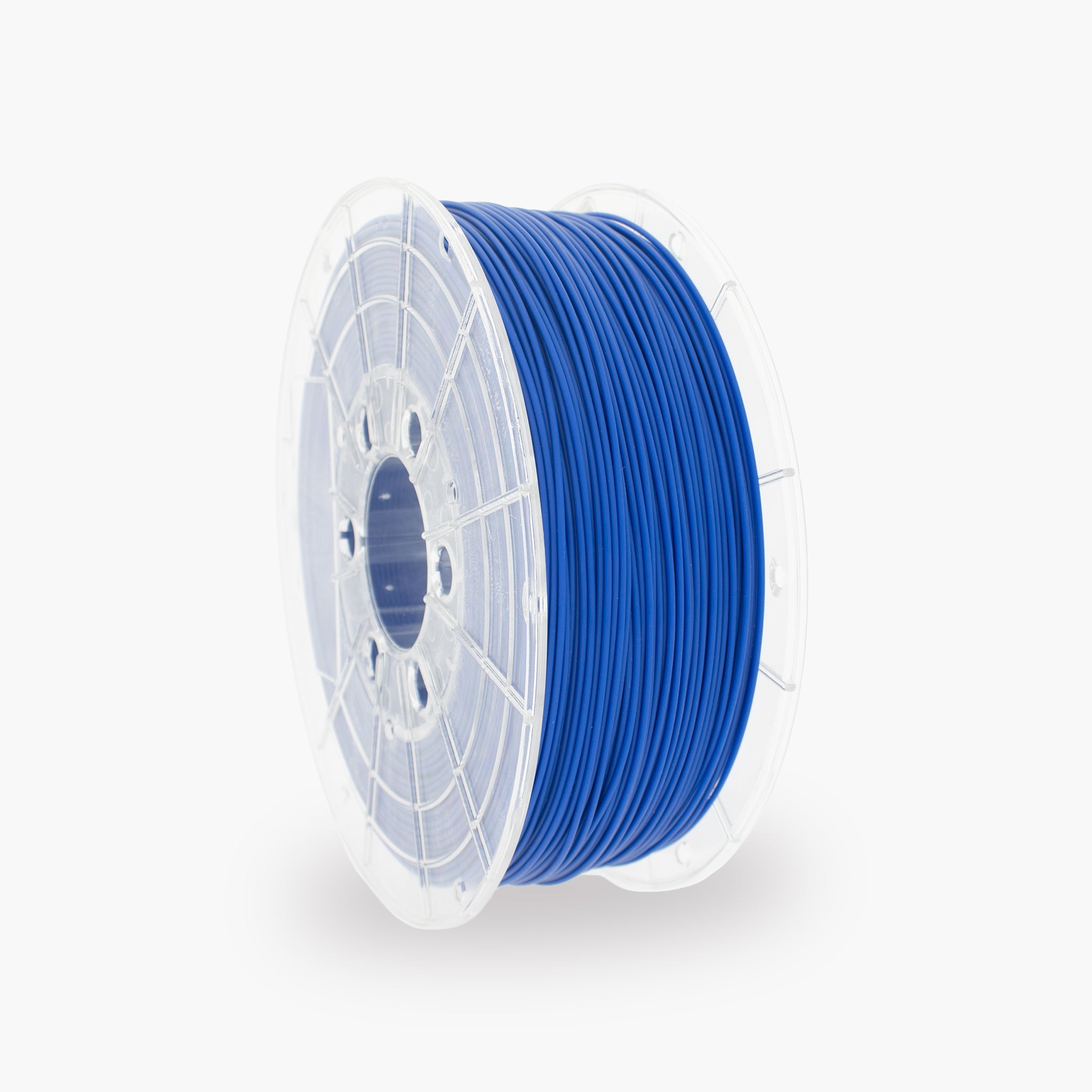

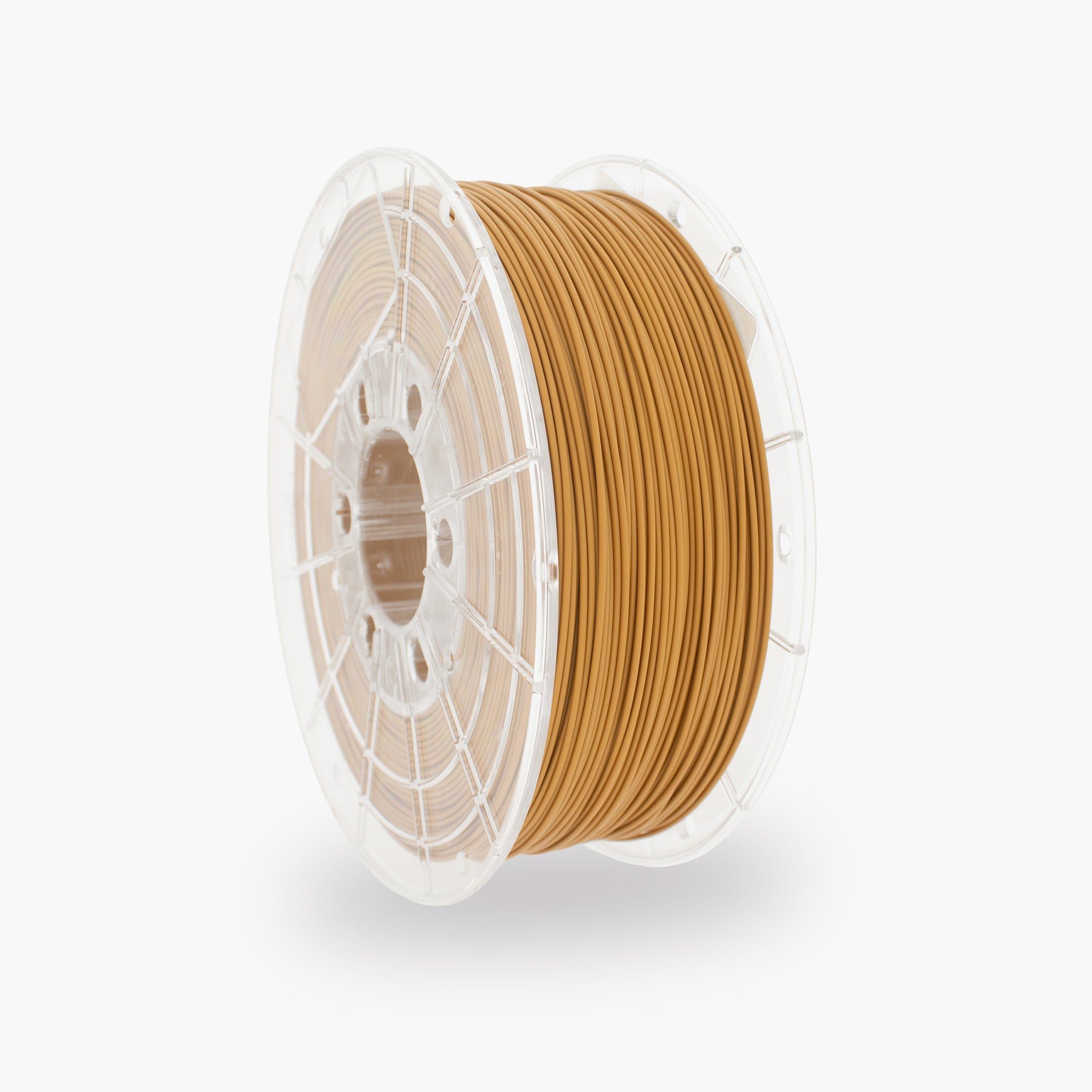
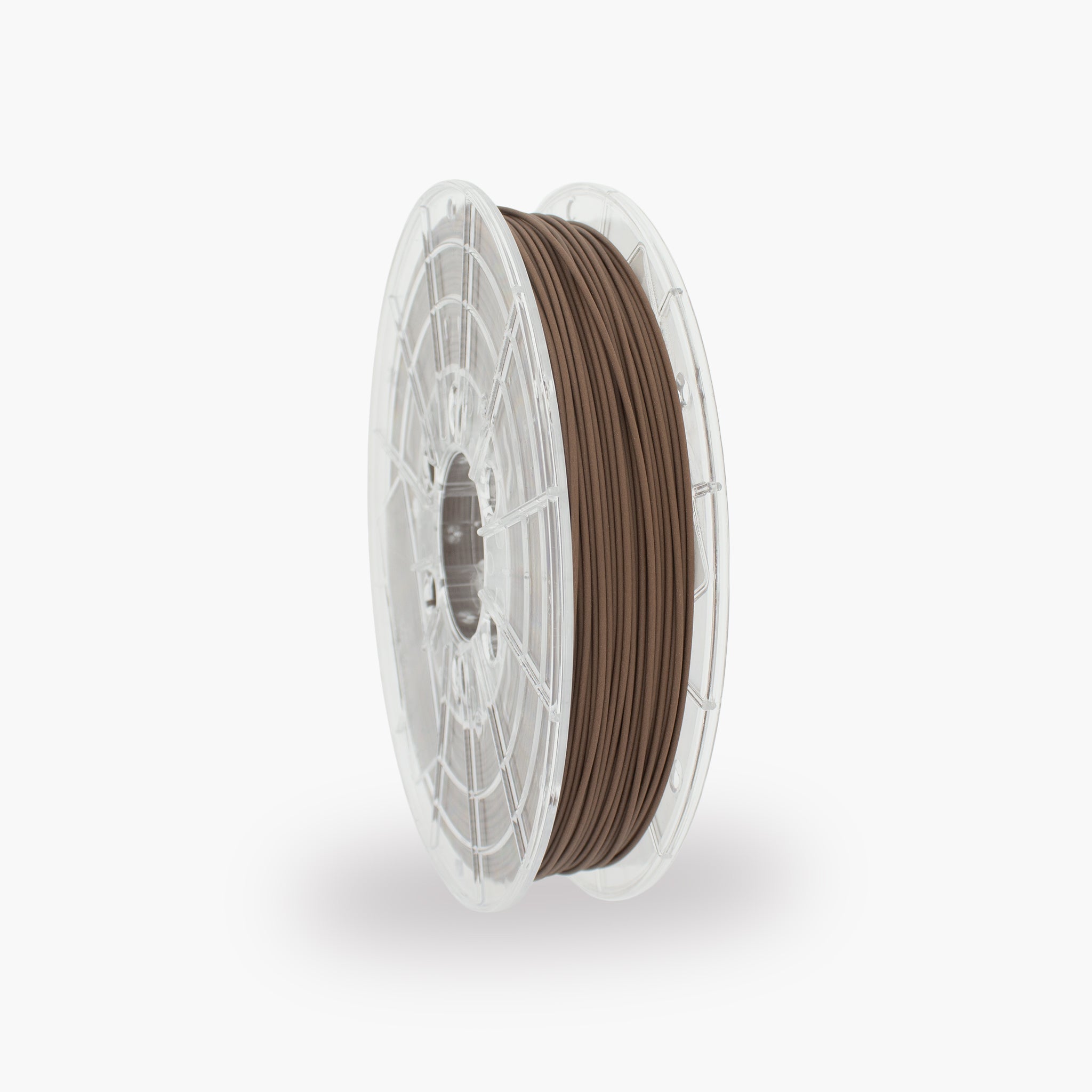
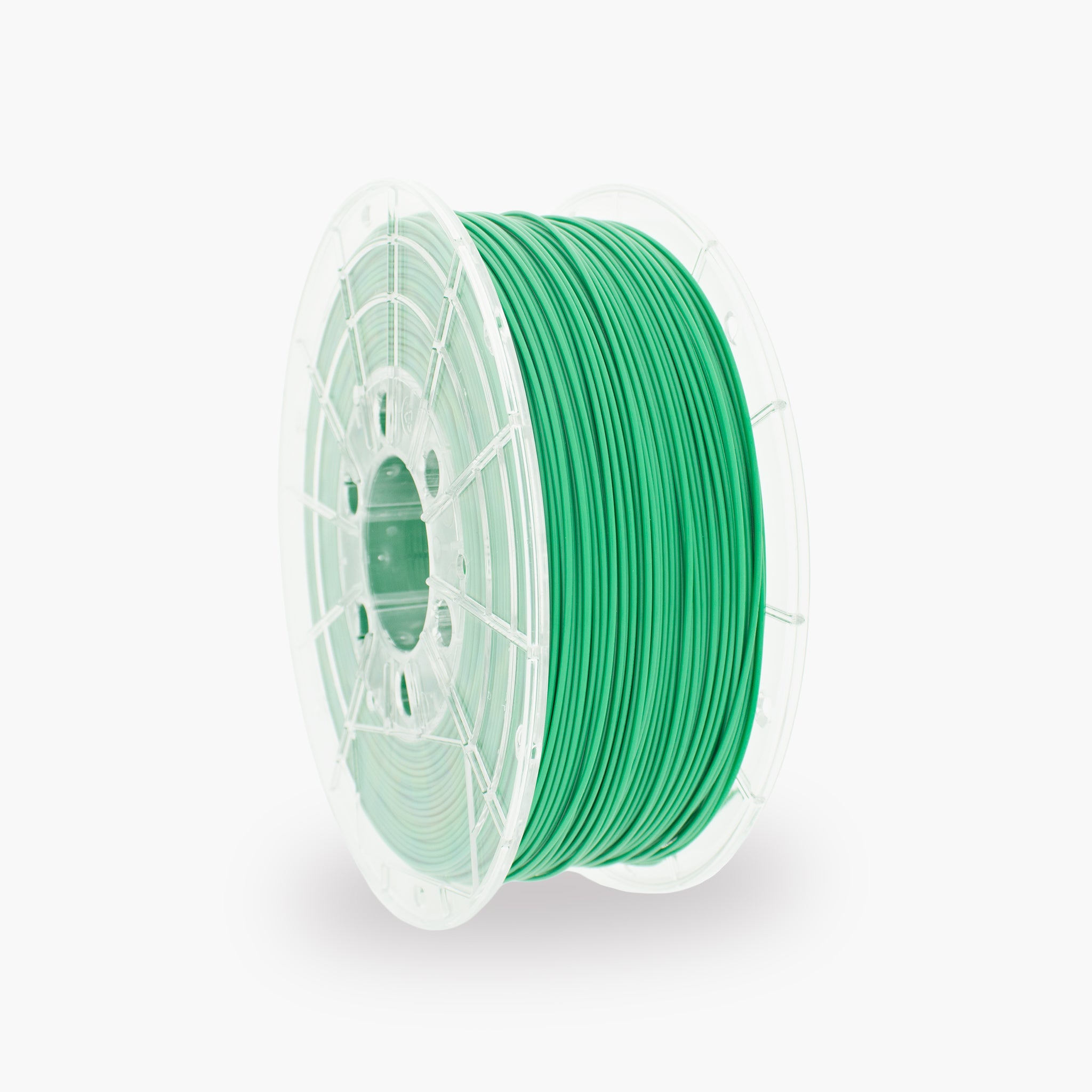

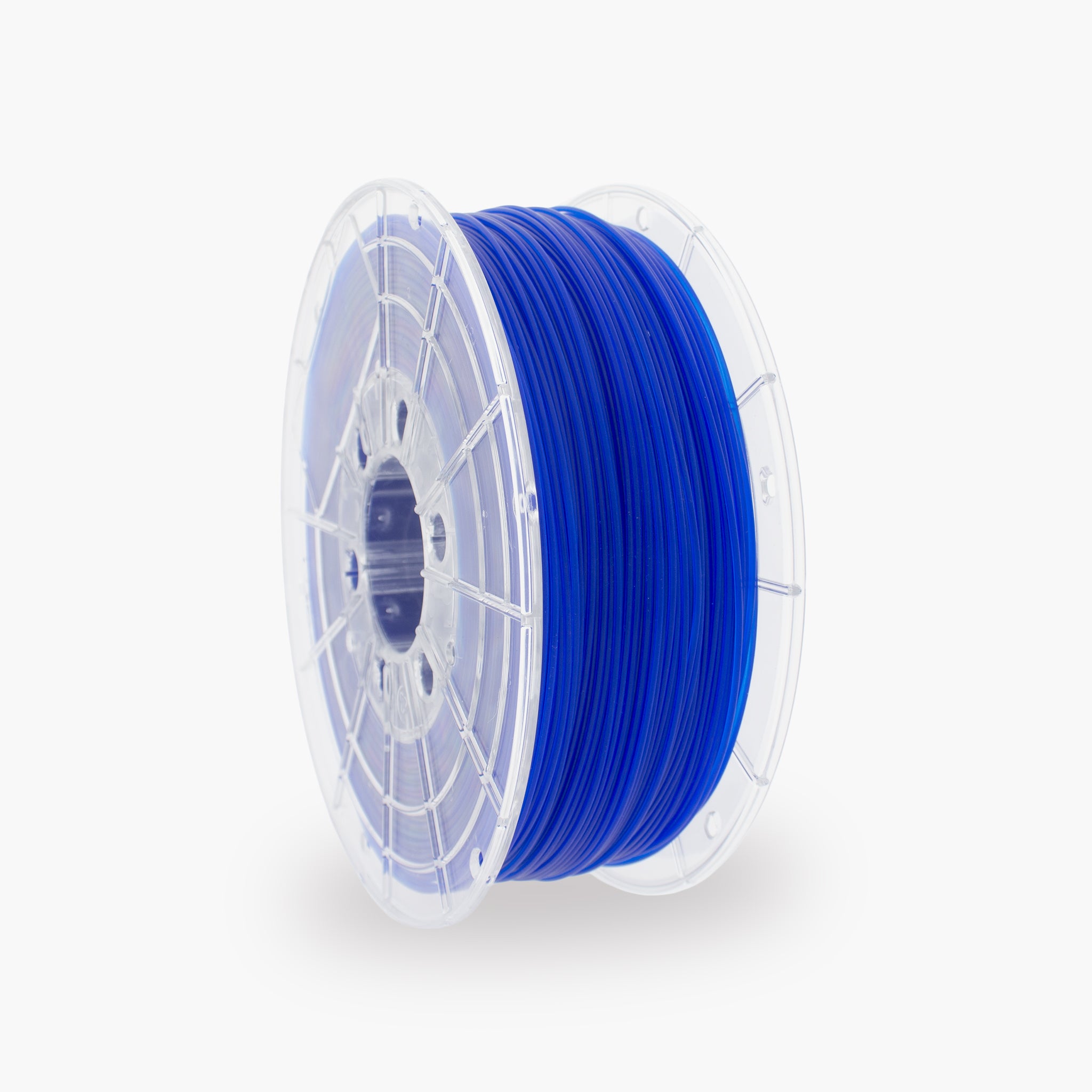
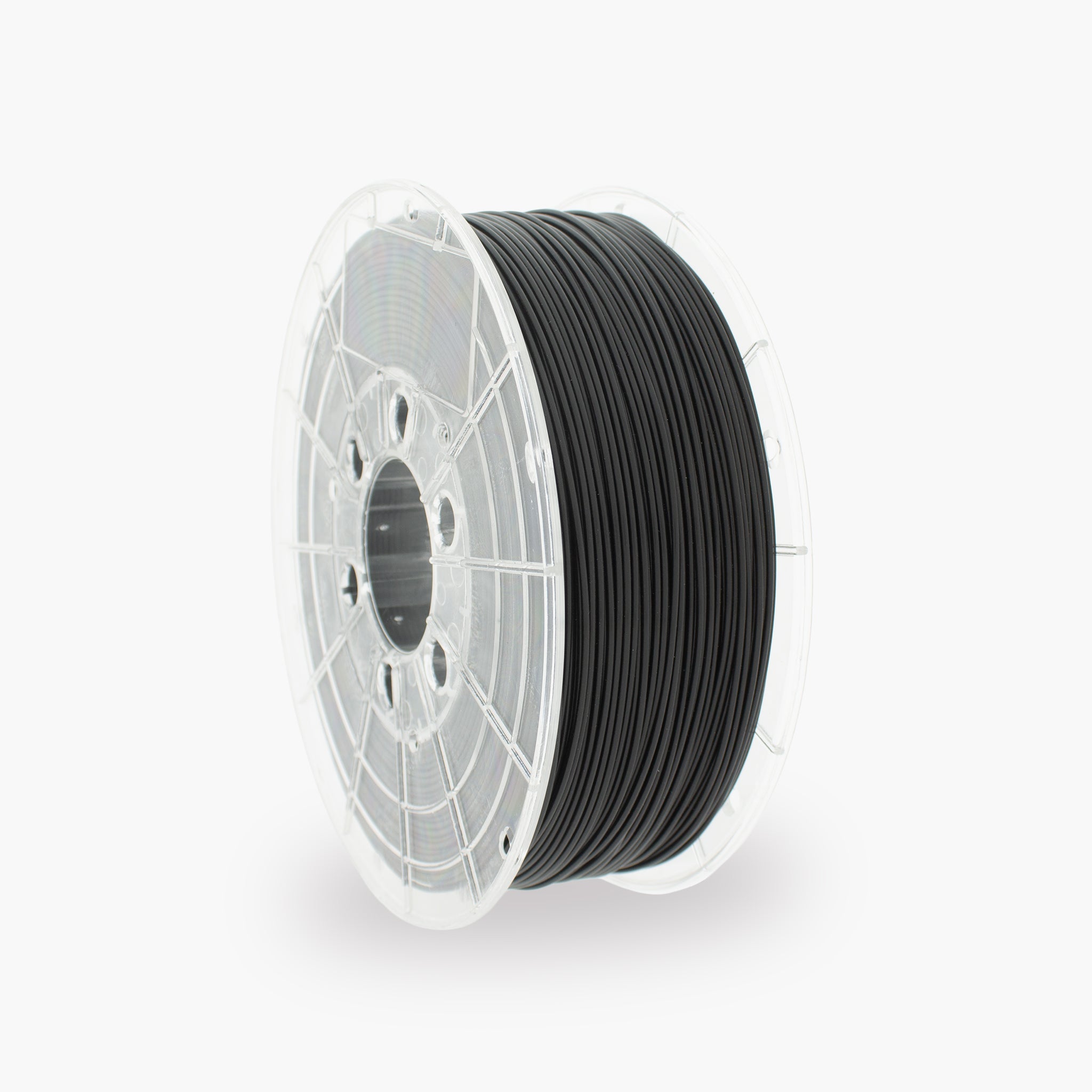
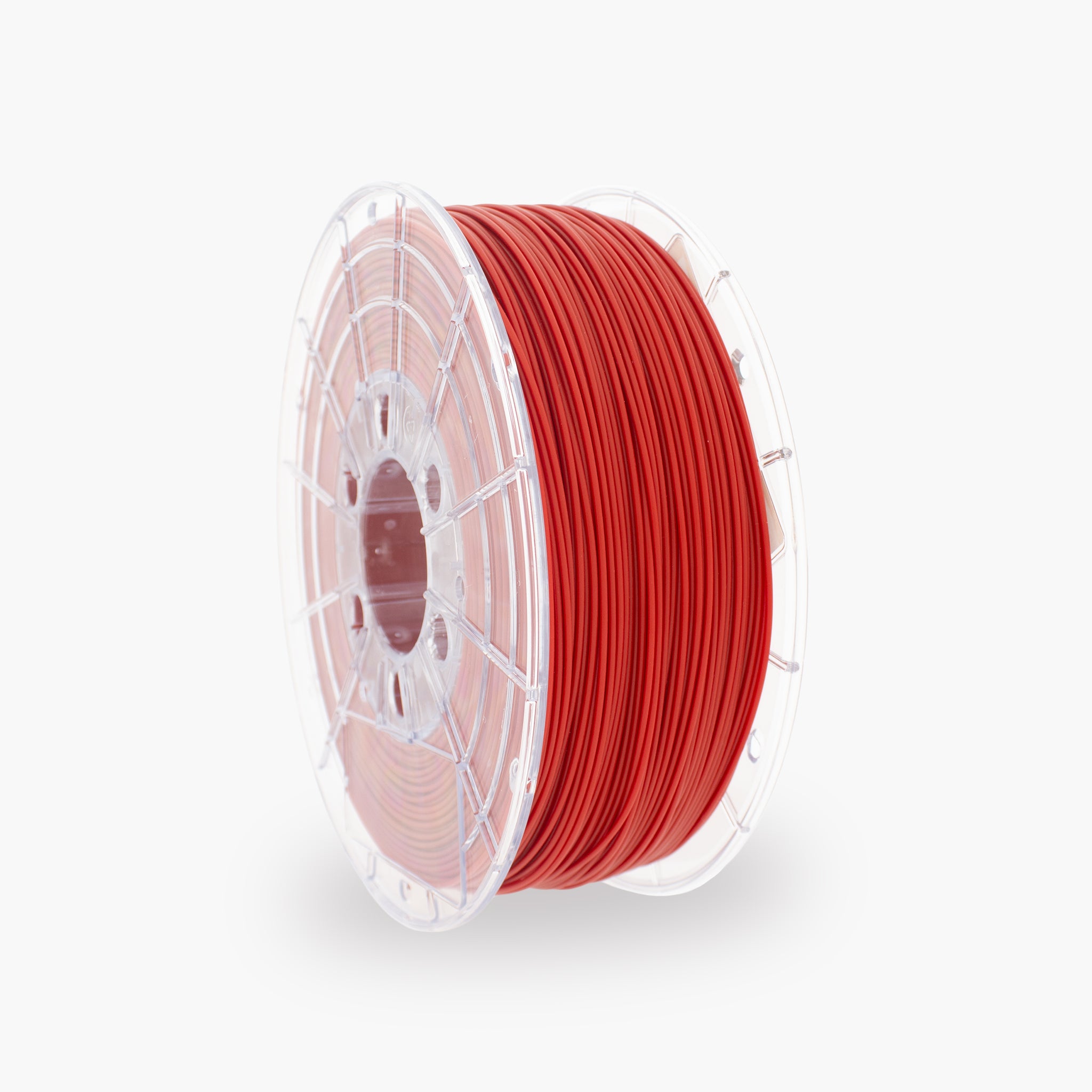
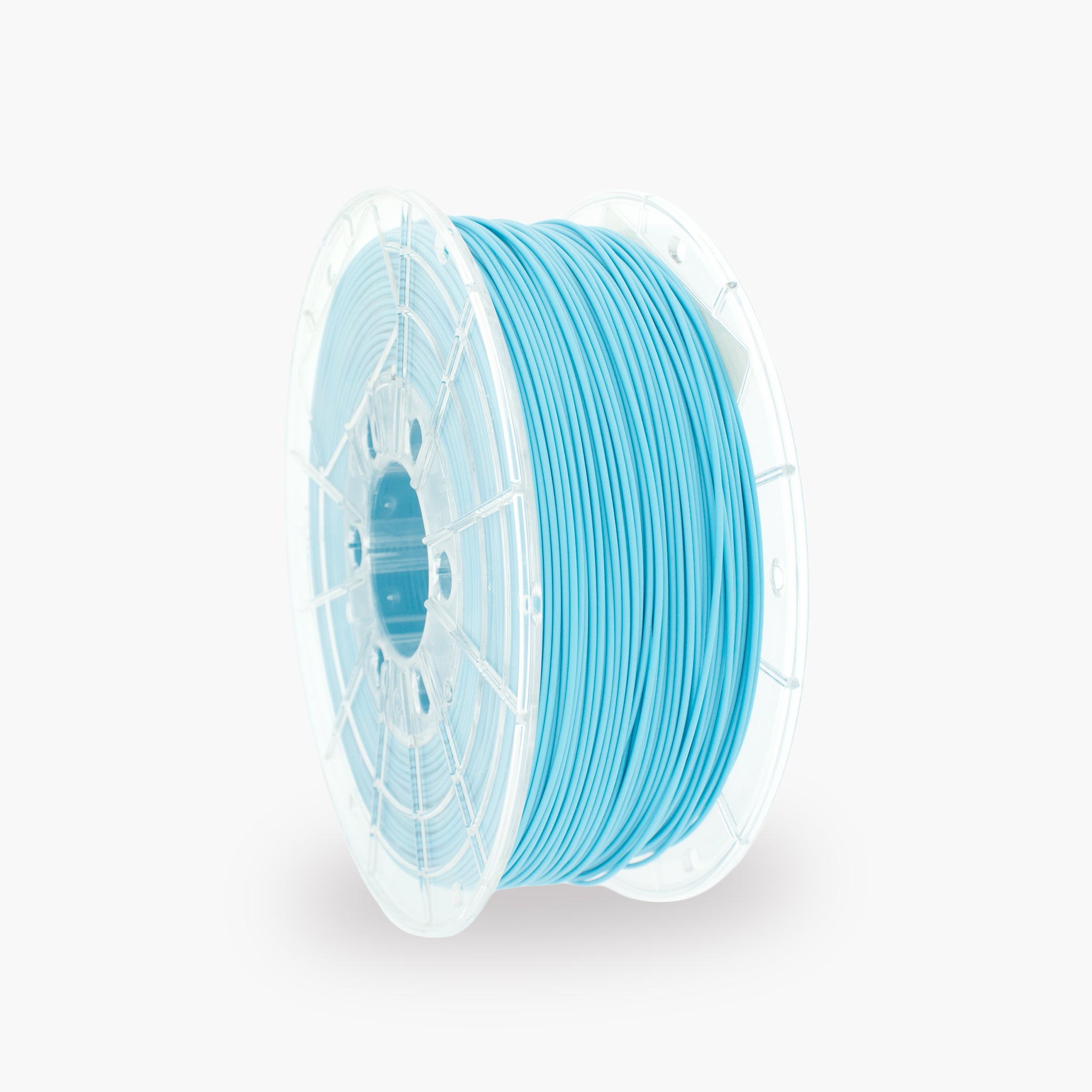
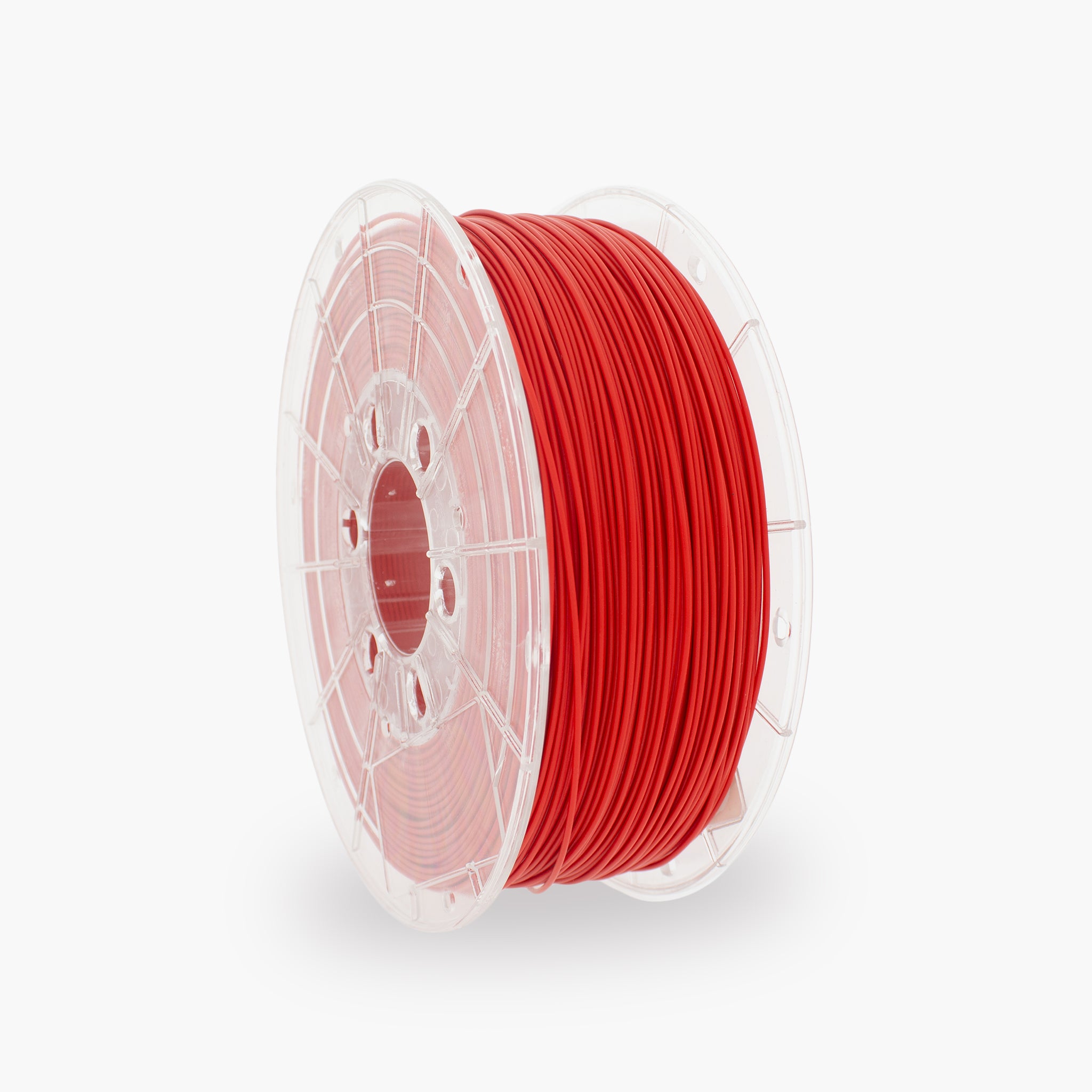
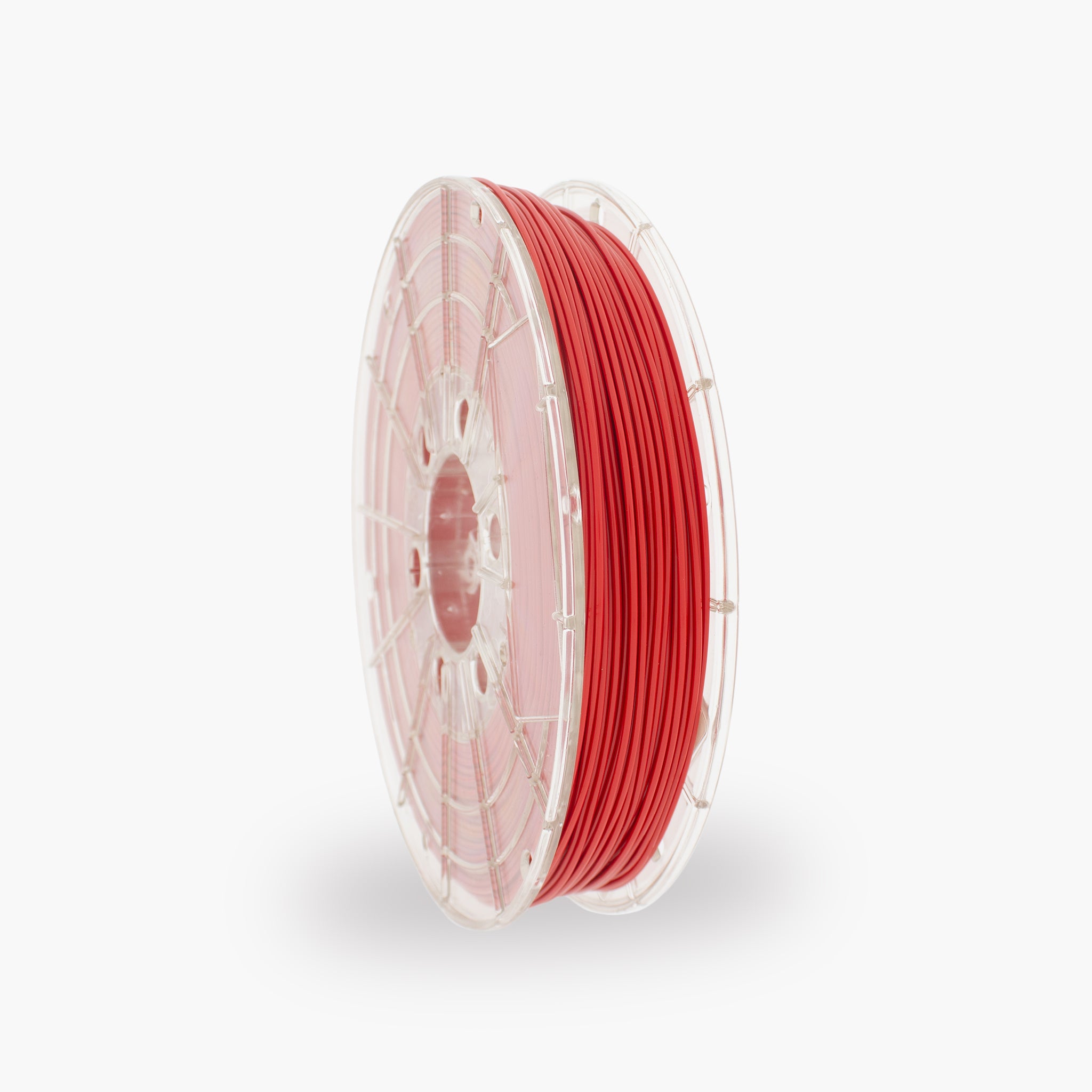
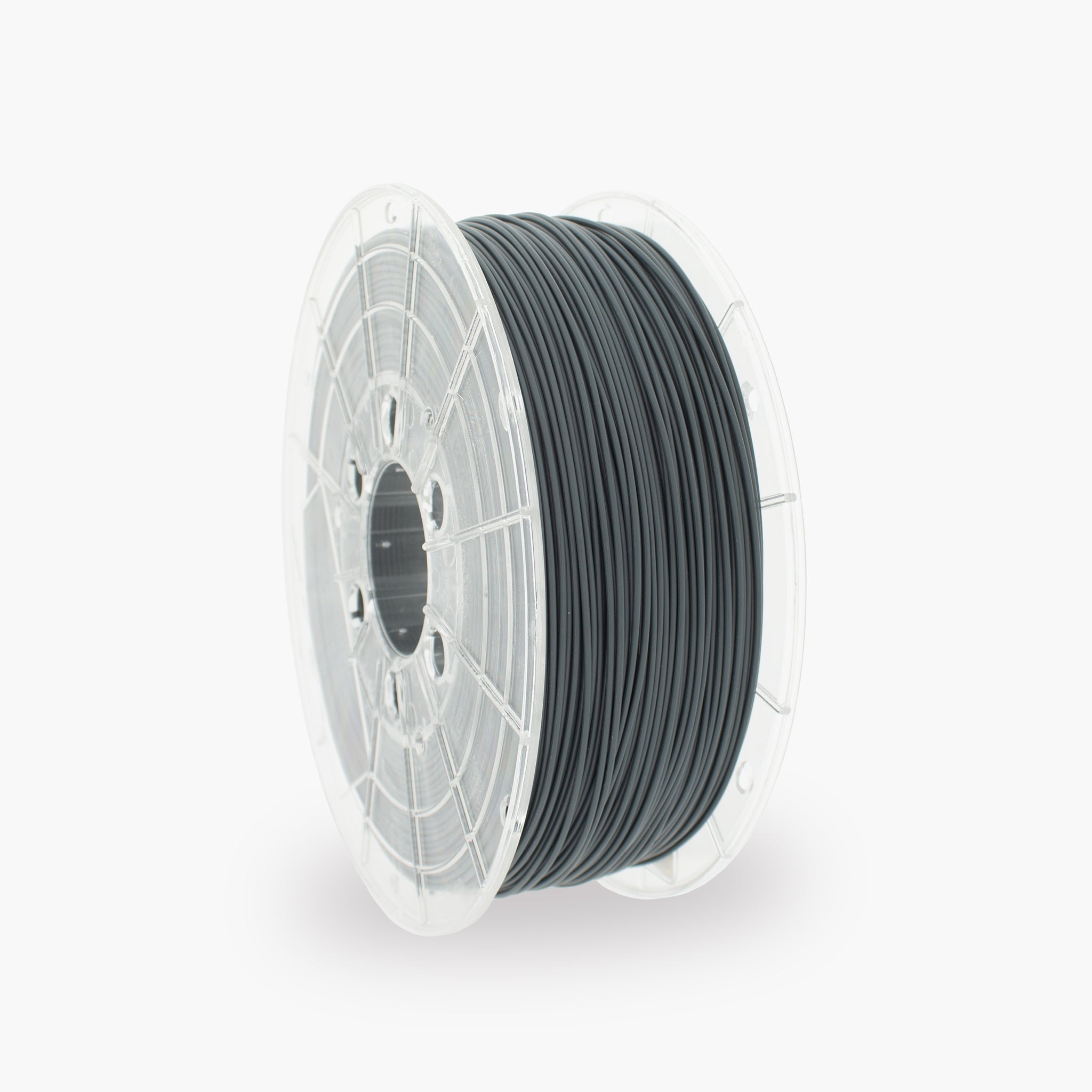
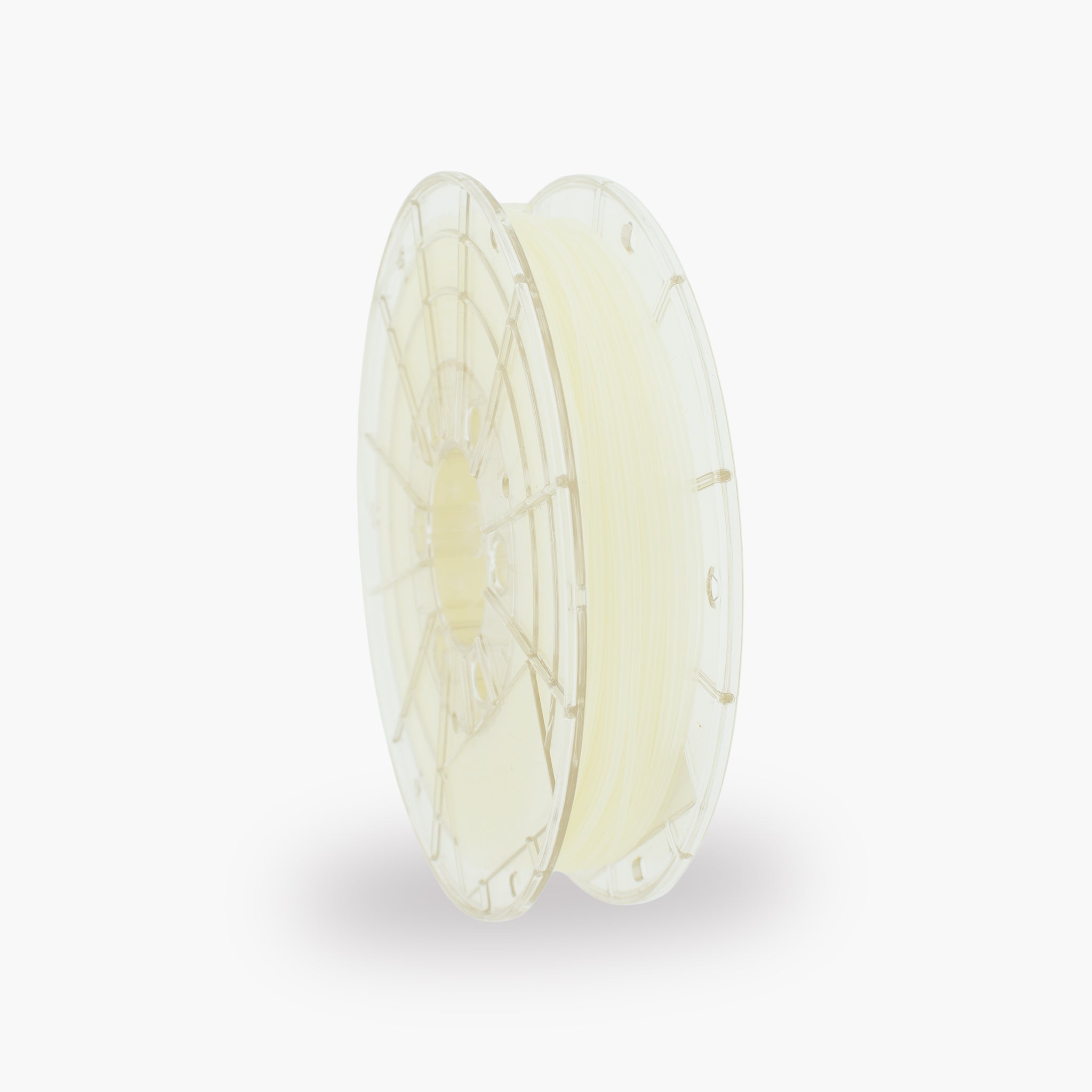




PLA 3D Printer Filament from TM3D
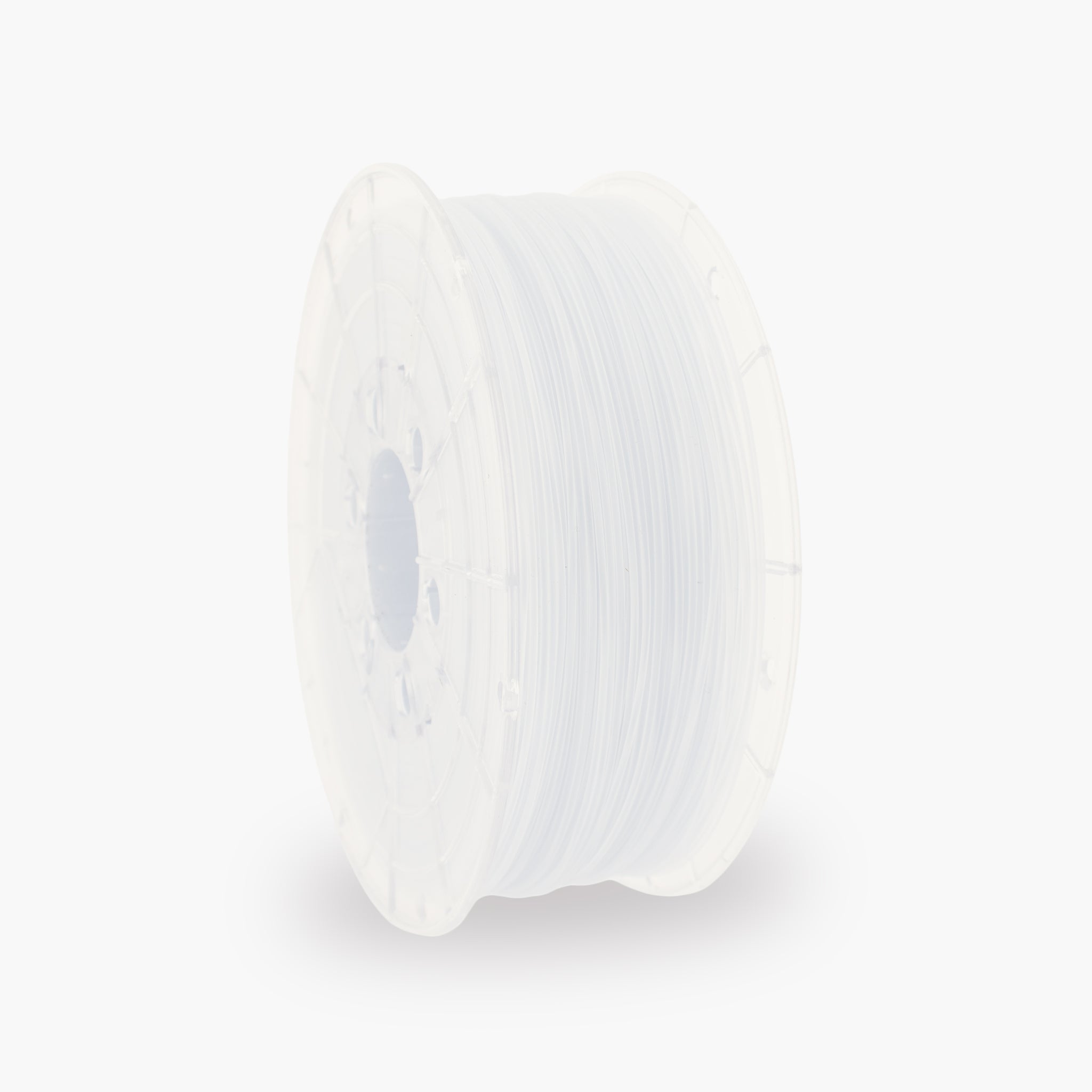
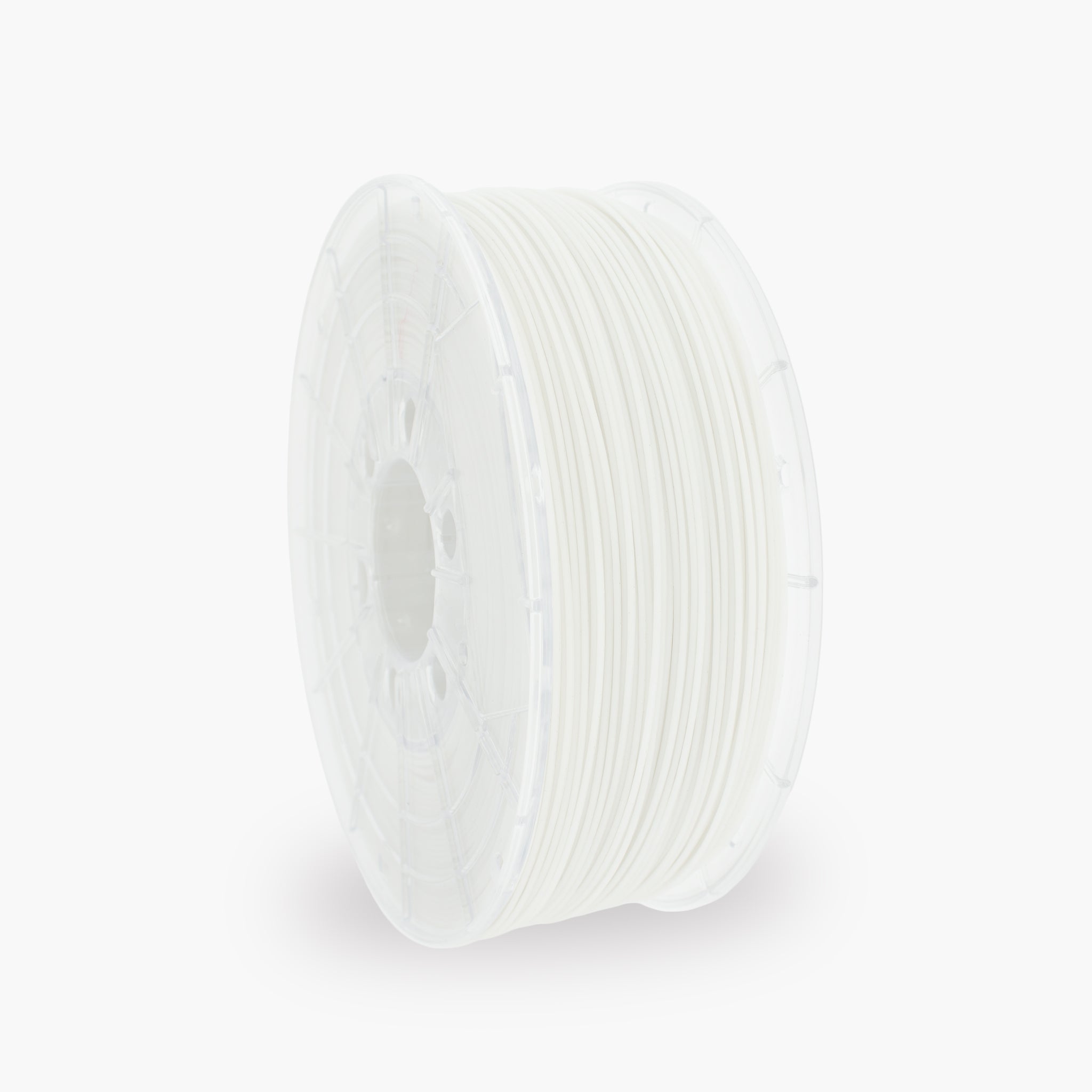
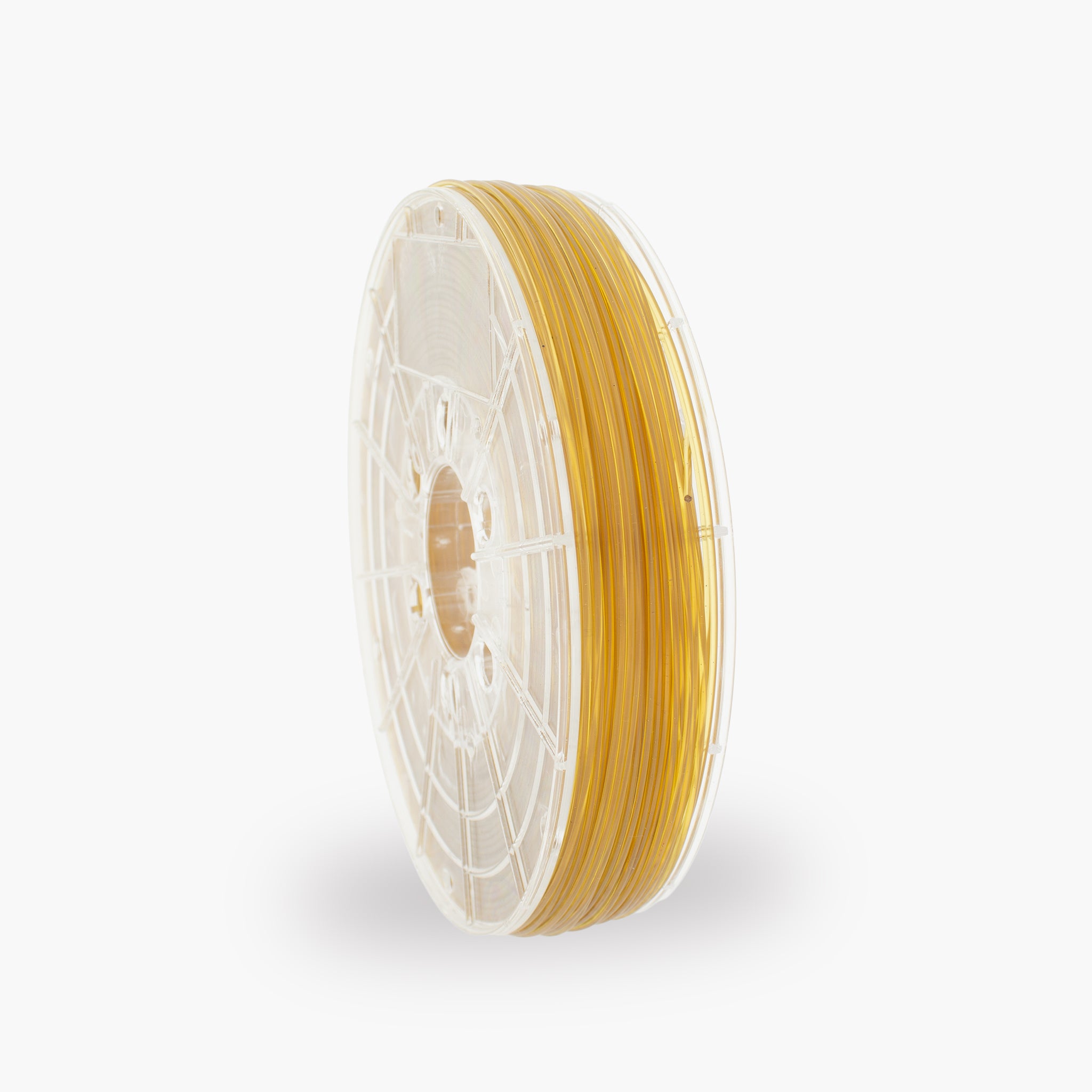
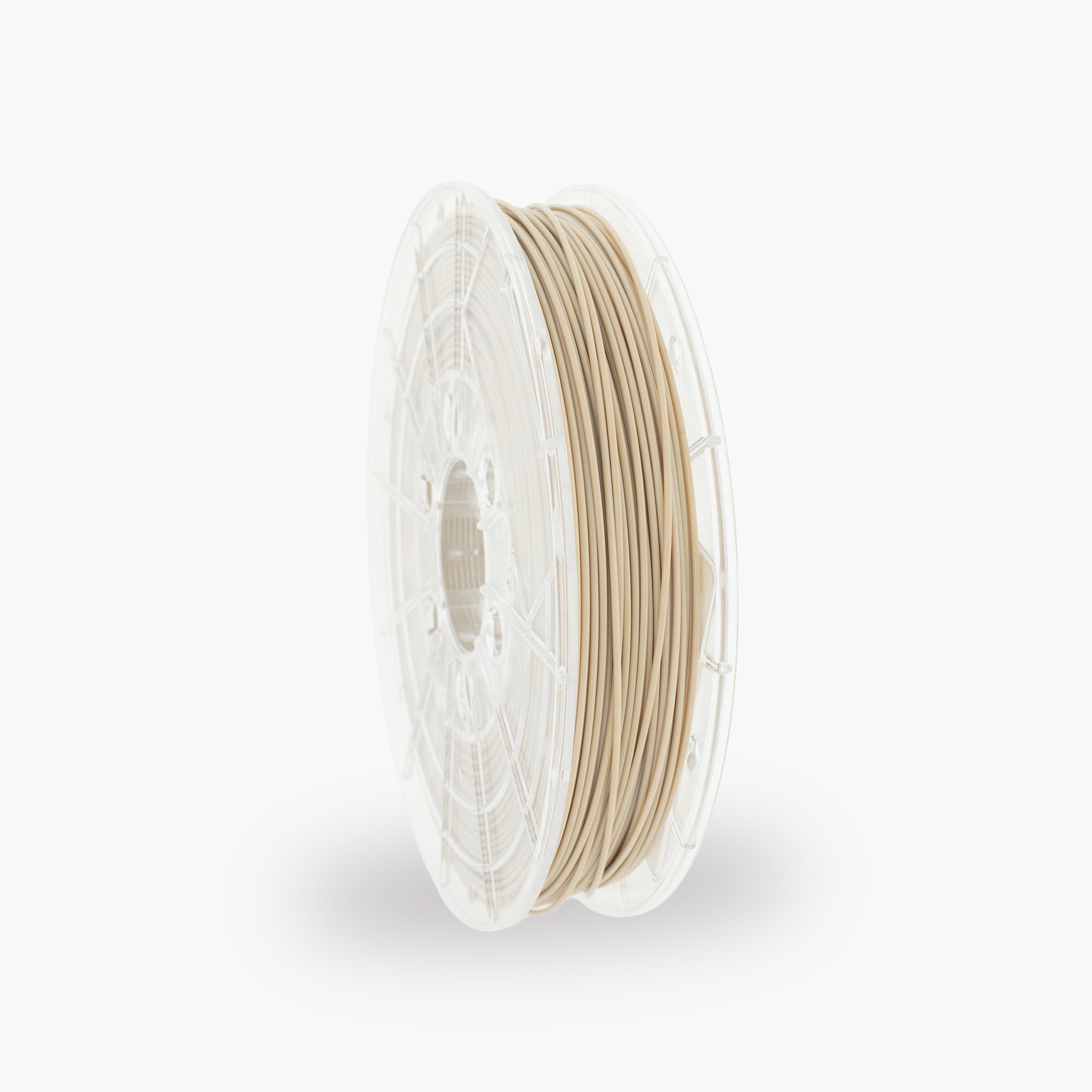
Polylactide (PLA) is one of the most popular and user-friendly 3D filaments on the market, known for its eco-friendliness and versatility. At TM3D, we understand the importance of reliability in 3D printing, which is why we always keep 1KG spools of PLA filament in stock. This guide takes a deep dive into the world of PLA, from its fundamental properties to advanced applications and printing techniques, making it perfect for both beginner and experienced 3D printing enthusiasts.
What Is PLA 3D Filament?
PLA, or polylactide, is a biodegradable thermoplastic material derived from renewable sources such as cornstarch or sugarcane. This chapter introduces PLA's basic properties and explains why it's such a popular choice for both hobbyists and professionals in the world of 3D printing.
Why Choose PLA Filament?
PLA filament is often chosen for its eco-friendly properties, ease of use, and versatility. This chapter highlights the benefits of PLA, including its low melting temperature, minimal shrinkage, and ability to produce vibrant colors and fine details, making it ideal for a wide range of projects.
How Do You Print with PLA Filament?
Printing with PLA is relatively easy, making it an excellent choice for beginners. This chapter provides detailed instructions on optimizing your print settings for PLA, including bed temperature, extruder temperature, and cooling, to achieve the best results.
What Are the Applications of PLA 3D Filament?
From prototypes and models to functional household objects and art, PLA filament offers a wide range of applications. This chapter explores PLA's versatility by highlighting a variety of inspiring examples to motivate you for your next 3D printing project.
What Maintenance and Storage Does PLA Filament Require?
Although PLA requires relatively little maintenance, there are a few important tips for storing and maintaining your filament to preserve the best print quality. This chapter offers recommendations for storing PLA filament correctly and maintaining its quality over time.
What Are the Advantages and Disadvantages of PLA Filament?
PLA filament offers many advantages, but there are also a few things to keep in mind. This chapter covers the pros and cons of using PLA, including its biodegradability, low melting temperature, and limited heat resistance, to help you make an informed choice for your projects.
At TM3D, we're proud to always keep 1KG spools of PLA filament in stock, so you never run out of your favorite material.
What temperature should you use for PLA filament?
For TM3D's standard PLA filament, we recommend starting with:
-
Nozzle temperature: 190–220 °C
-
Print bed temperature: 46–60 °C
The ideal settings vary depending on the printer, print speed, and model. Start with your printer's standard PLA profile and adjust the temperature as needed.
Conclusion on PLA 3D Printer Filament
PLA 3D filament is an excellent choice for a wide range of 3D printing applications, thanks to its eco-friendly properties, ease of use, and versatility. With TM3D's commitment to always keeping 1KG spools of PLA in stock, you can count on the continuity and quality of your projects.